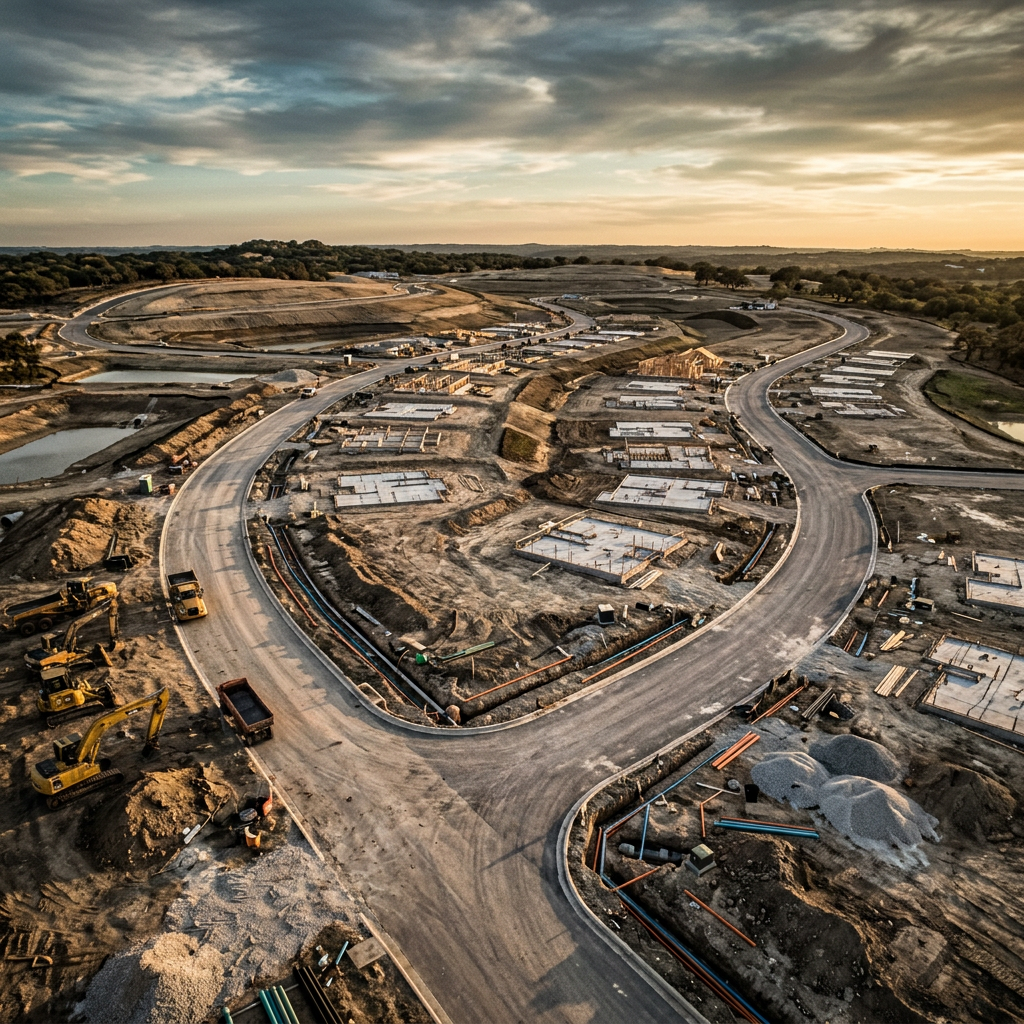
A no-rise certificate is an engineered certification prepared by a licensed Professional Engineer (PE) demonstrating that a proposed development within a regulatory floodway will not cause any increase in base flood elevations during the 1% annual chance flood. No-rise certifications require hydraulic analysis and a PE stamp. They are required by local floodplain administrators before development in a FEMA-regulated floodway can be permitted.
Have a project in a FEMA floodway? Call (888) 291-6160 to discuss no-rise certification with a licensed civil engineer.
What a No-Rise Certificate Includes
A licensed civil engineer performs a hydraulic analysis of the regulatory floodway using FEMA-approved methods and data, evaluating whether the proposed development (fill, structures, grading, or other encroachments) will cause any increase in base flood elevations. The analysis considers flow conveyance, hydraulic capacity, and the cumulative impact of encroachments. If the analysis demonstrates no rise, the PE issues a stamped no-rise certificate for submittal to the local floodplain administrator.
When You Need a No-Rise Certificate
No-rise certifications are required when proposed development encroaches into a FEMA-regulated floodway. This includes new construction, additions, fill placement, grading, retaining walls, fencing, or any other improvement within the floodway boundary. Local floodplain administrators enforce this requirement through the floodplain development permit process. If your property is in a floodway, you cannot obtain a development permit without a no-rise certification.
Hydraulic Analysis Methods
Our PE performs hydraulic analysis using FEMA-approved methods, which may include HEC-RAS modeling, step-backwater analysis, or equivalent engineering methods depending on the complexity of the floodway and the proposed development. The analysis compares existing-conditions and proposed-conditions water surface elevations to demonstrate that the development does not increase the base flood elevation at any point along the floodway.
Floodway vs. Floodplain Development
It is important to distinguish between the floodway (the channel and adjacent land that must be reserved to discharge the base flood) and the broader floodplain (the area subject to flooding during the base flood). Development in the floodway requires a no-rise certification. Development in the floodplain outside the floodway may require elevation above the base flood elevation but does not always require a no-rise certification. Our PE determines which requirements apply to your property.
No-Rise Cannot Be Guaranteed in Advance
A no-rise certification depends on site-specific hydraulic analysis and cannot be guaranteed before the analysis is performed. If the analysis shows that the proposed development would cause a rise in base flood elevations, the project must be modified or the no-rise certification cannot be issued. Our PE works with you to evaluate design alternatives that may achieve no-rise compliance.
no rise certificates — Definitive Guide
When You Need It
- 01Proposed development or fill within a FEMA-regulated floodway
- 02Additions, retaining walls, or fencing encroaching on the floodway
- 03Grading that alters floodway conveyance
- 04Floodplain development permit applications in the floodway
- 05Bridge or culvert work within a floodway
Engineering Inputs Required
Regulatory floodway delineation from the effective FIRM/FIS
Effective hydraulic model data (HEC-RAS or equivalent)
Proposed encroachment geometry and roughness characteristics
Base flood discharge data
Typical Deliverables
- PE-stamped no-rise certificate
- Existing-conditions vs proposed-conditions hydraulic comparison
- Supporting hydraulic analysis documentation
- Floodplain administrator submittal package
Common Mistakes
- Assuming a no-rise certification is guaranteed — it depends on analysis outcome
- Confusing floodway requirements with the broader floodplain
- Using incorrect or superseded hydraulic model data
- Proposing encroachments large enough that no design alternative achieves no rise
- Beginning floodway work before the floodplain development permit is issued
What Determines Cost
- 01Floodway complexity and availability of effective hydraulic model data
- 02Encroachment size and number of design alternatives analyzed
- 03Coordination required with the local floodplain administrator
Engineering fees are project-specific — set by site complexity, jurisdiction requirements, survey needs, and scope. Every project is quoted by a licensed engineer, usually same day. Call (888) 291-6160 for a quote based on your actual project.
Permit Relationship
No-rise certification is a prerequisite for floodplain development permits within the regulatory floodway. Local floodplain administrators enforce it under NFIP-backed ordinances.
Reviewed by Mir Emad Mousavi, PE — Licensed Civil Engineers, Inc. — Last reviewed September 21, 2026
Licensed in 21 States + DC
Our PE-licensed team provides no-rise certificates services in the following states. Click a state to view local service details, building department information and project-specific engineering.
No-Rise Certificates Questions
What is a no-rise certificate?
A no-rise certificate is a PE-stamped certification that a proposed development in a regulatory floodway will not increase base flood elevations during the 1% annual chance flood. It is required by floodplain administrators before a floodway development permit can be issued.
Do I need a licensed engineer for a no-rise certificate?
Yes. No-rise certifications must be prepared and sealed by a licensed Professional Engineer (PE) using FEMA-approved hydraulic analysis methods. Call (888) 291-6160 to discuss your project.
Can you guarantee a no-rise certification before analysis?
No. A no-rise certification depends on site-specific hydraulic analysis. If the analysis shows the development would cause a rise in base flood elevations, the project must be modified. Our PE evaluates design alternatives to achieve compliance.
How much does a no-rise certificate cost?
No-rise studies are quoted project-specifically based on floodway complexity, availability of hydraulic model data, and the scope of analysis required. Call (888) 291-6160 for a same-day quote.
What is the difference between a floodway and a floodplain?
The floodway is the channel and adjacent land reserved to discharge the base flood — development here requires a no-rise certificate. The floodplain is the broader area subject to flooding — development here may require elevation above the base flood elevation but not always a no-rise certification.
Need Engineering
in Nationwide?
Most residential projects quoted same day. Call now for a free consultation with a licensed Professional Engineer.
(888) 291-6160